Crafting a Resilient Real Estate Portfolio Strategy in Germany
A robust real estate portfolio strategy in Germany involves a systematic approach to acquiring, managing, and optimizing properties to achieve specific financial objectives, balancing risk and return within the dynamic German market. It’s about more than just buying properties; it’s about creating a cohesive investment plan that aligns with your long-term wealth goals.
- Strategic asset allocation tailored to German market specifics.
- Optimized risk management through diversification and market insight.
- Enhanced long-term wealth accumulation via smart property selection.
Key Pillars of a Successful German Real Estate Portfolio
Building a successful real estate portfolio in Germany hinges on understanding market dynamics, identifying high-potential assets, and implementing a clear investment thesis. This involves thorough due diligence on location, property type, and potential for appreciation or rental yield, ensuring each acquisition contributes strategically to the overall portfolio objectives.
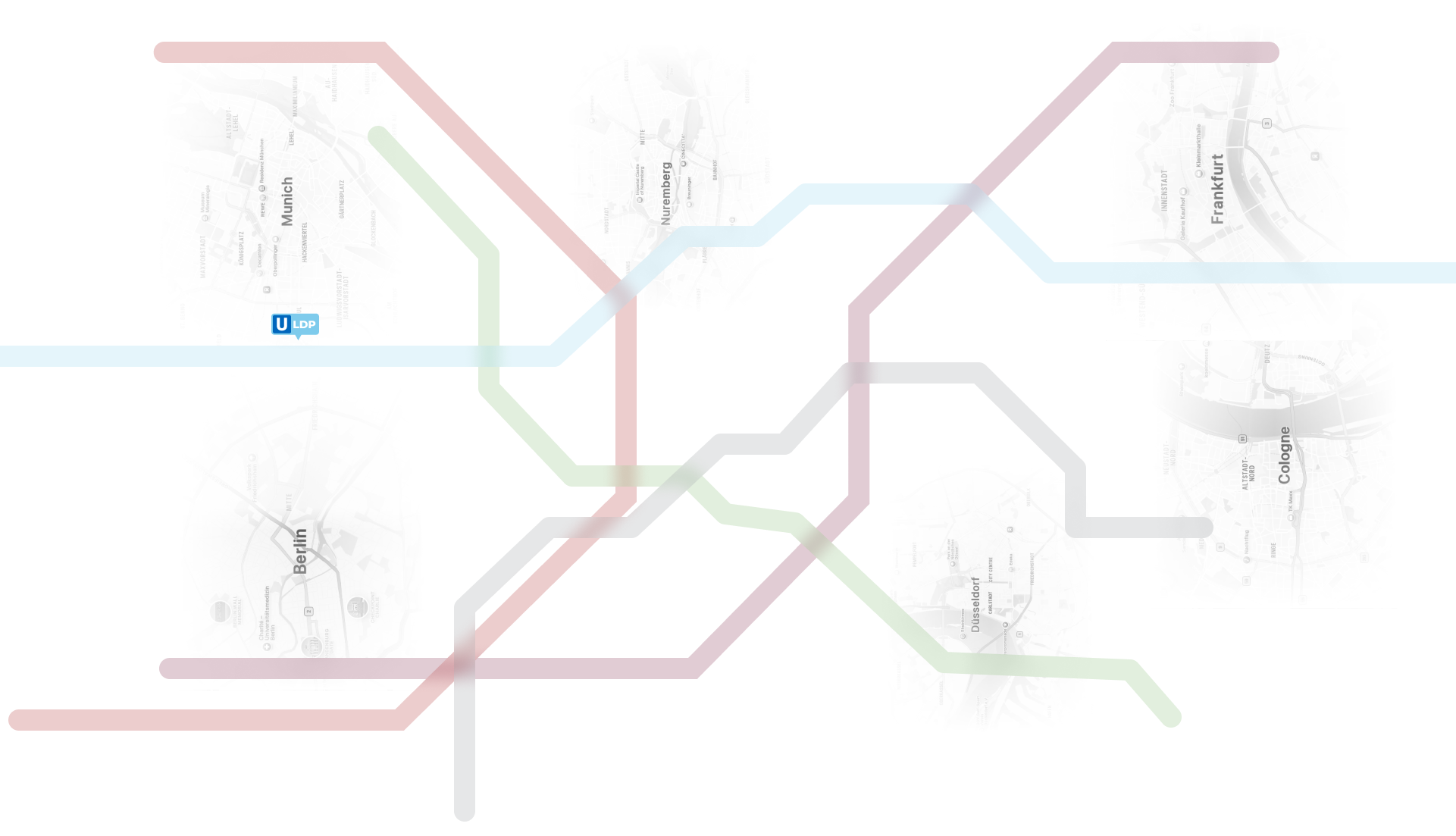
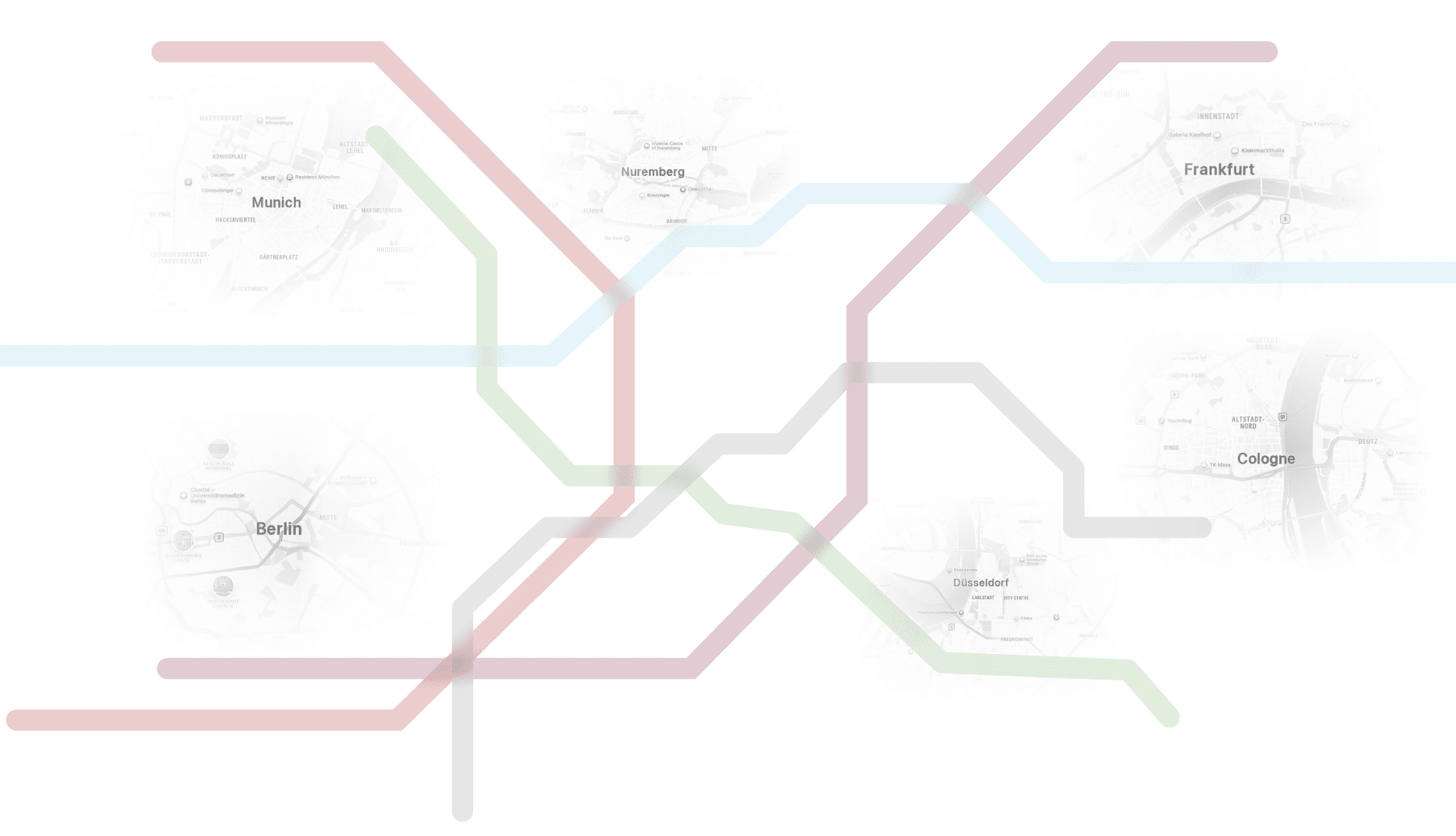
Effective portfolio construction in Germany often prioritizes diversification across various property types—residential, commercial, or mixed-use—and geographical regions to mitigate localized market risks. Investors should consider factors such as demographic trends, economic stability of specific cities, and infrastructure development to inform their choices.
Furthermore, a successful strategy integrates a long-term perspective, focusing on sustainable growth rather than short-term gains. This includes anticipating regulatory changes, understanding tax implications, and planning for property maintenance and potential upgrades to preserve and enhance asset value over time.
Navigating Complexities in German Real Estate Investment
Investing in German real estate, while highly attractive, presents unique challenges that require expert navigation. These complexities range from intricate legal frameworks and tax regulations to intense market competition and the need for precise valuation methodologies.
One significant hurdle is the German legal and administrative landscape, which can be opaque for international investors. Understanding property law, tenancy rights, and local planning regulations is crucial to avoid costly mistakes and ensure compliance. Additionally, the German tax system for real estate investments, including property transfer tax, income tax on rental income, and potential capital gains tax, demands careful planning and optimization.
Moreover, identifying truly undervalued or high-potential properties in a competitive market requires deep local knowledge and an extensive network. Without these, investors risk overpaying or acquiring assets that do not align with their strategic goals, ultimately impacting portfolio performance.

- Understanding German property law and tenancy regulations.
- Optimizing tax structures for rental income and capital gains.
- Navigating competitive market conditions for prime assets.
- Performing accurate property valuations and due diligence.
- Managing property maintenance and tenant relations effectively.